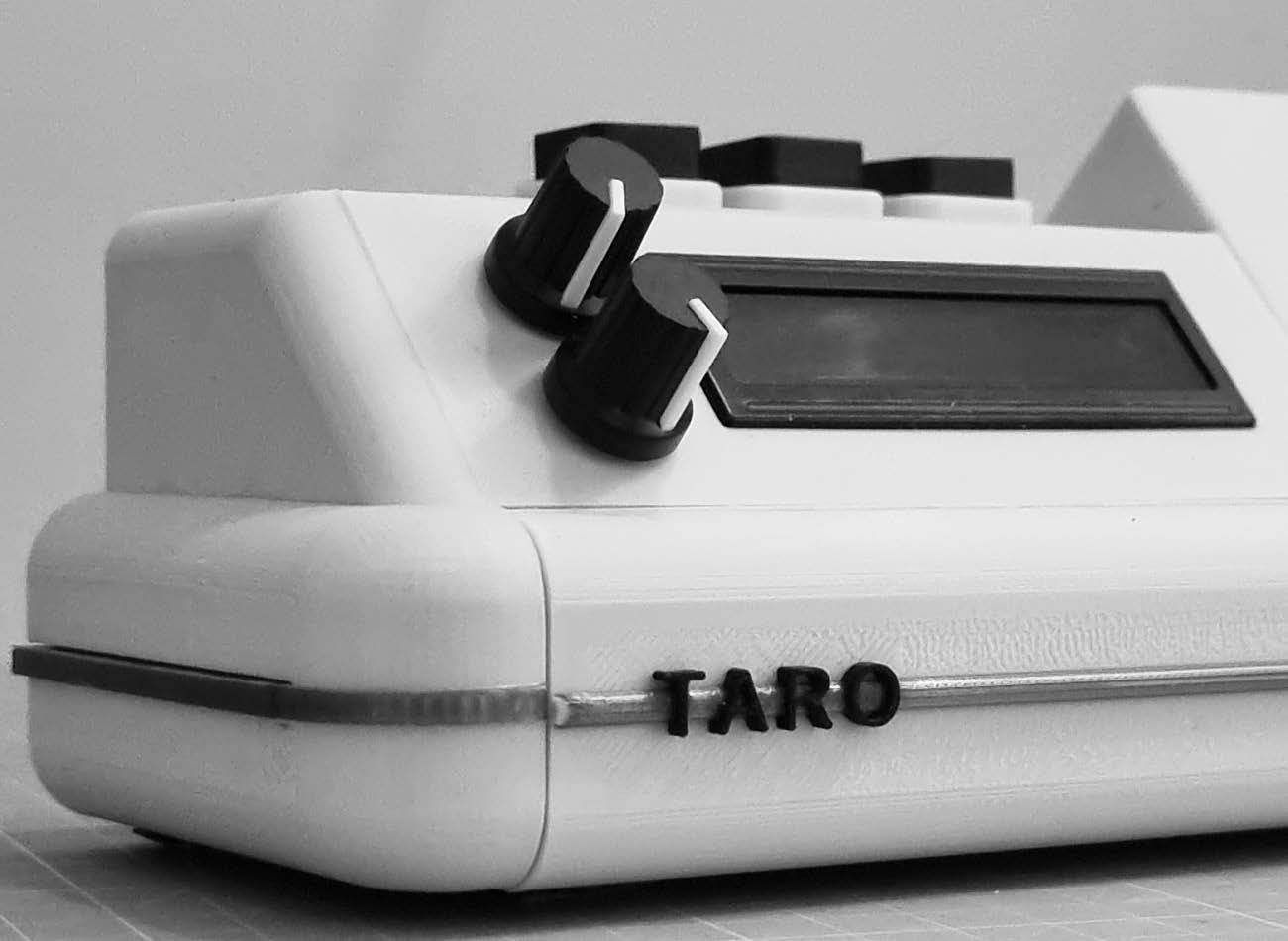
“Despite the Pomodoro Technique’s widespread adoption, most timers fail to engage users due to uninspiring aesthetics, lack of tactile feedback, and reliance on digital devices that contribute to distractions.”
Opportunity
How do we design a focus tool that minimizes distractions and helps people engage in deep work?
Core Inspiration - Perpetual Flip Calendar
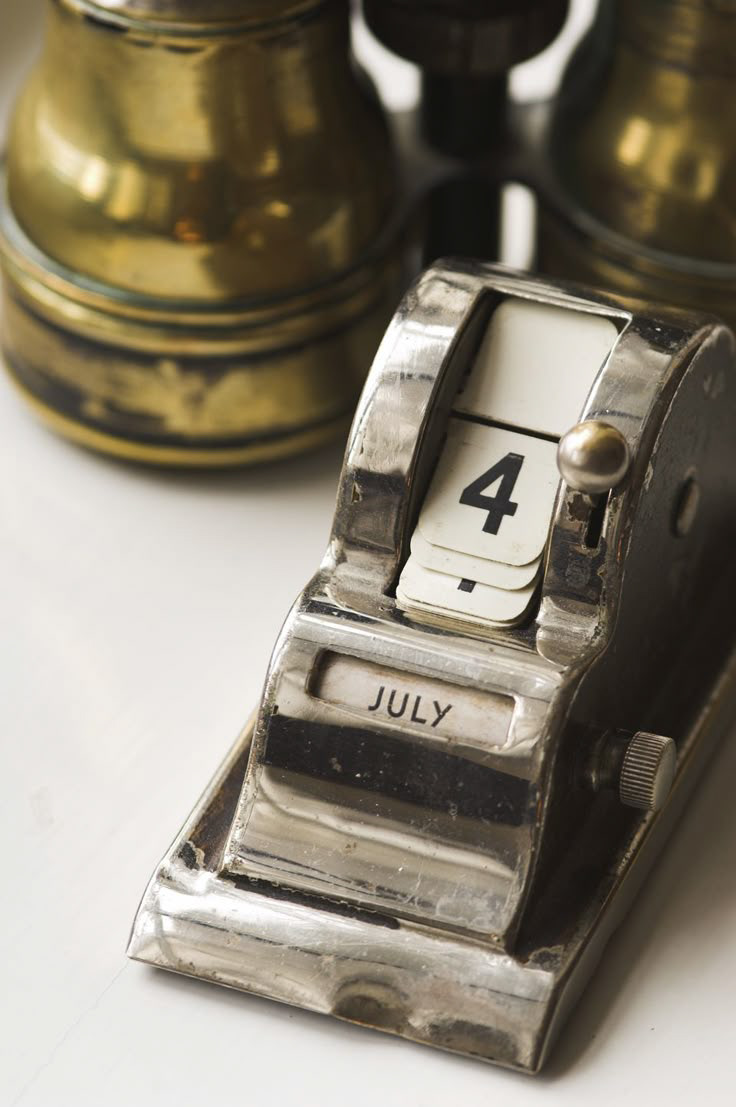
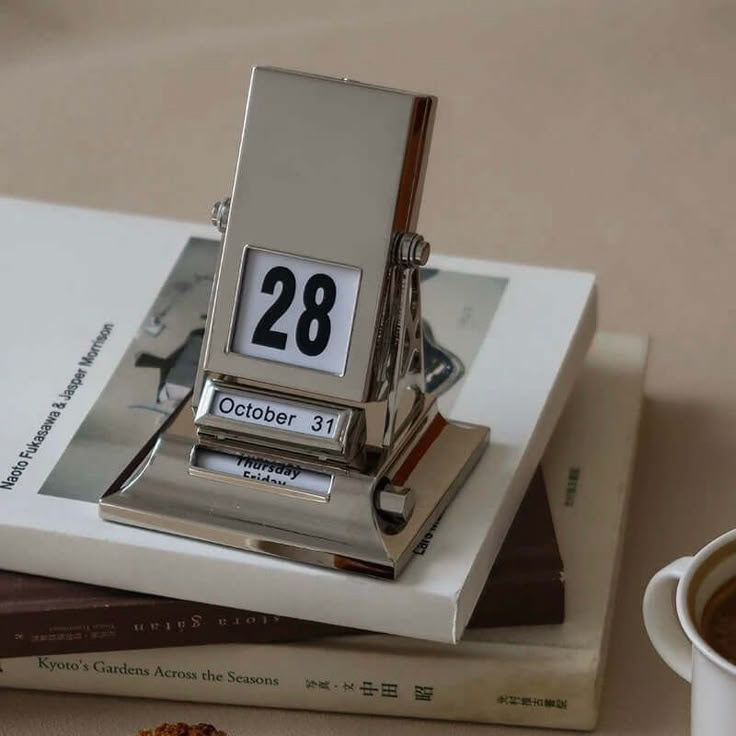
Project Taro was inspired by motorizing a 1950s perpetual flip calendar and transforming it into a timer. Each turn delivers a clear, crisp audible cue as the tiles slot into place.
Ideation
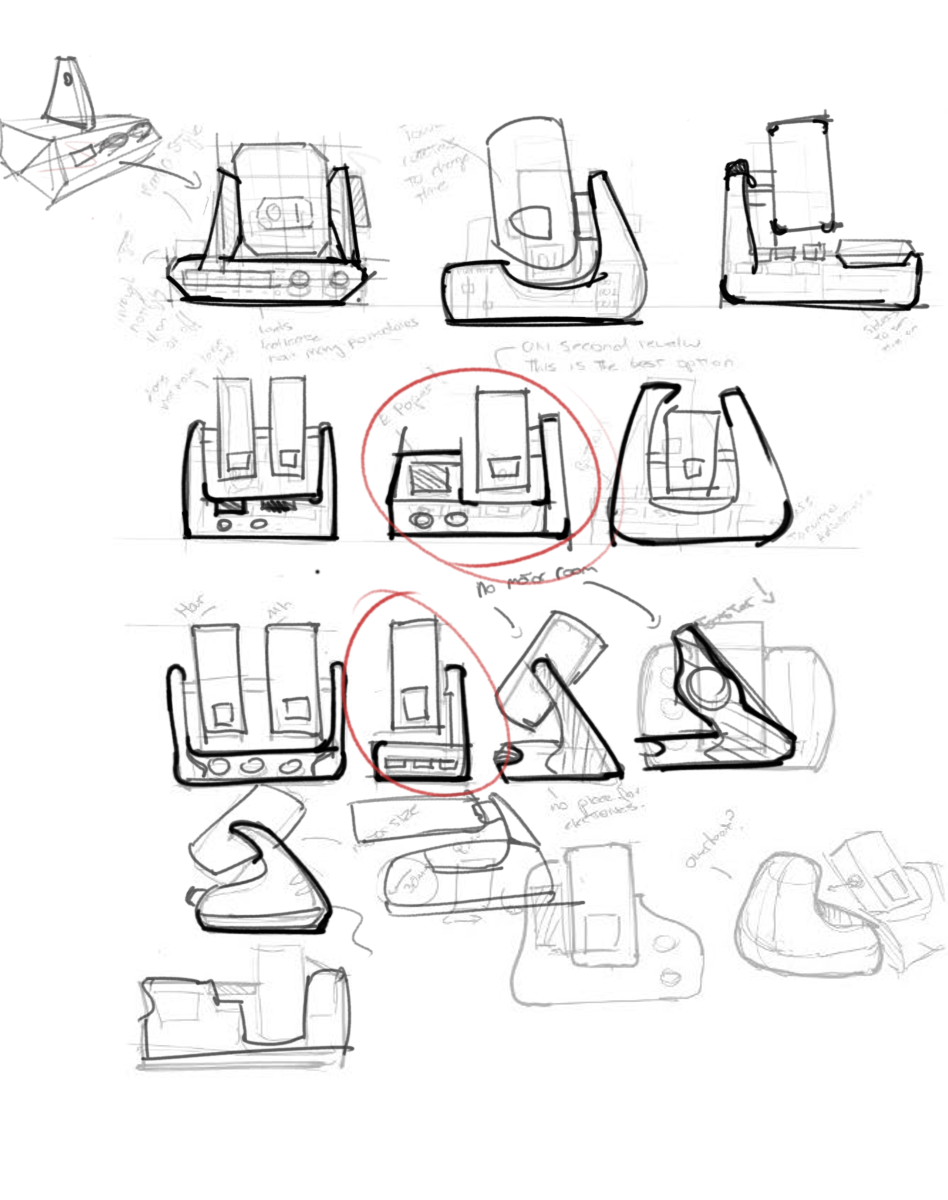
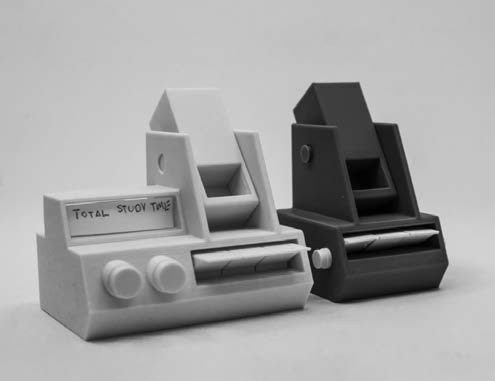
Initial ideation and rapid non-functional prototypes were used to test button layouts, allowing for early adjustments based on user feedback.
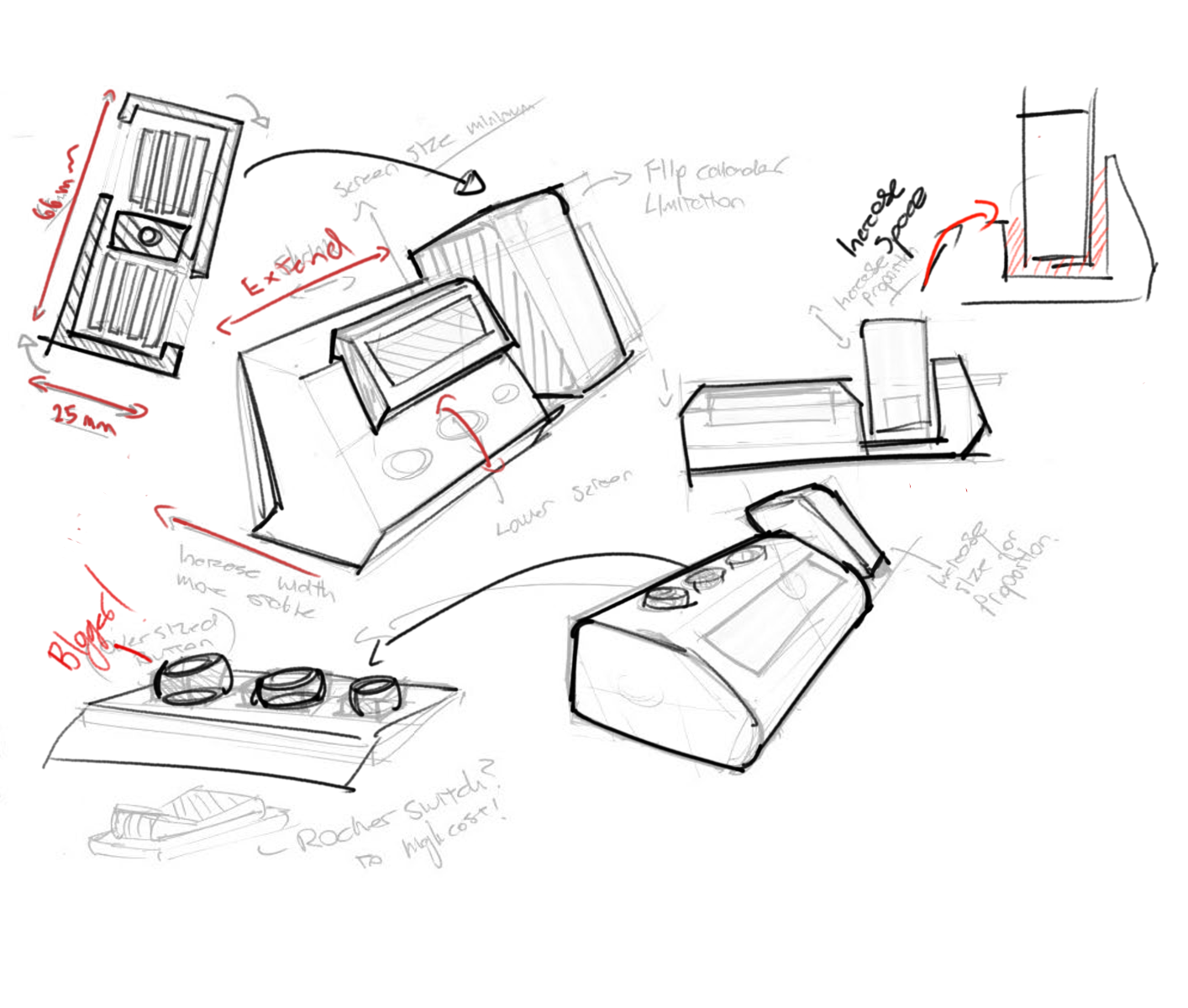
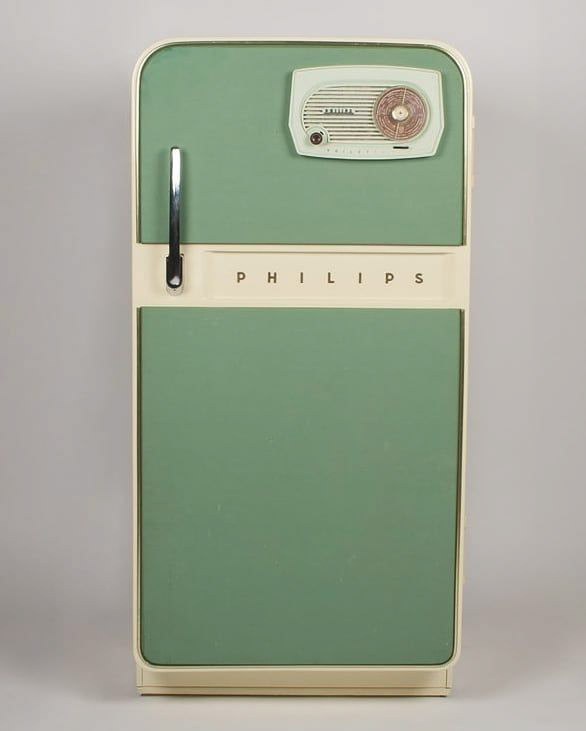
Changes were made based on feedback, with a stronger emphasis on the 1950s styling.
Prototyping
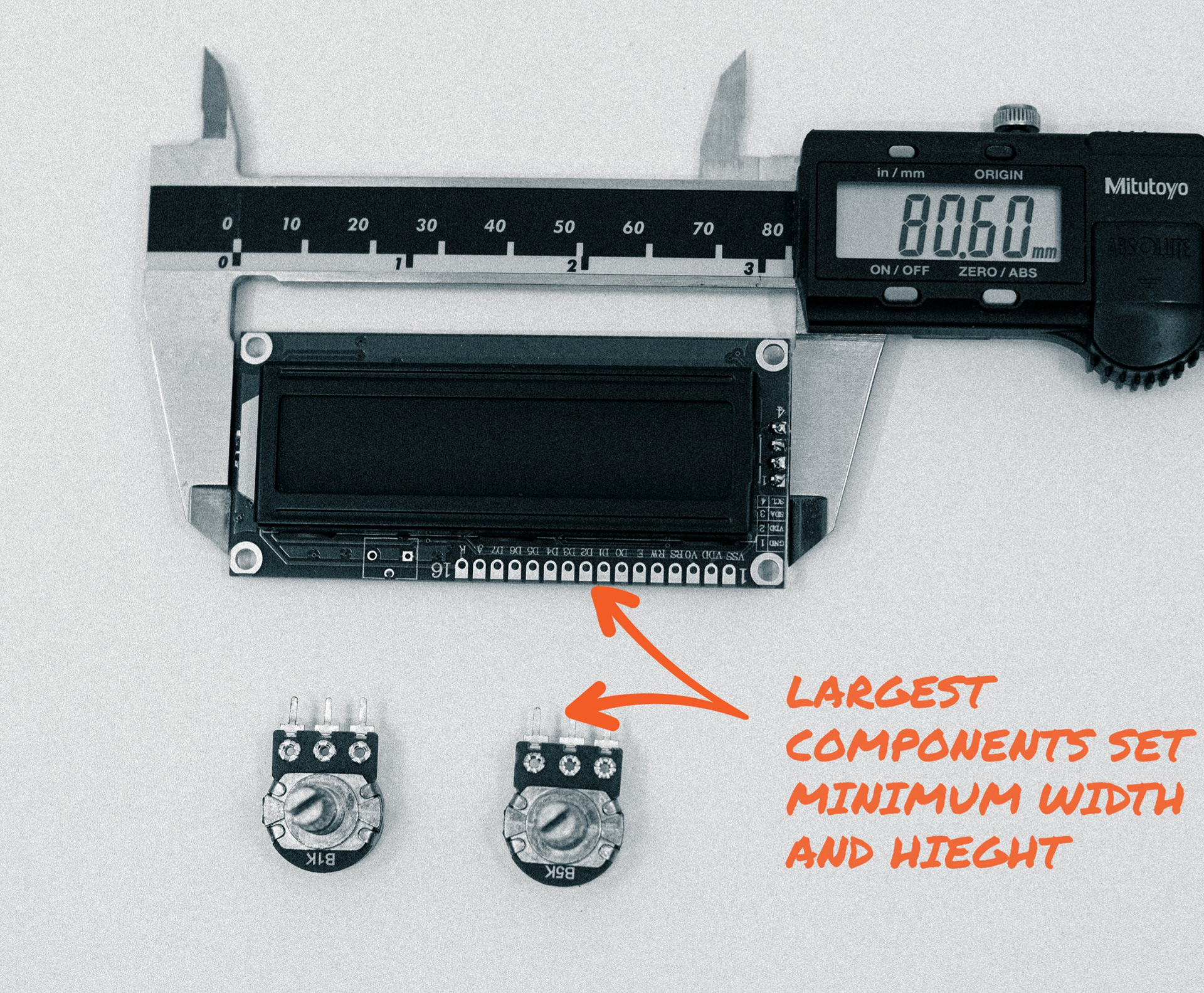
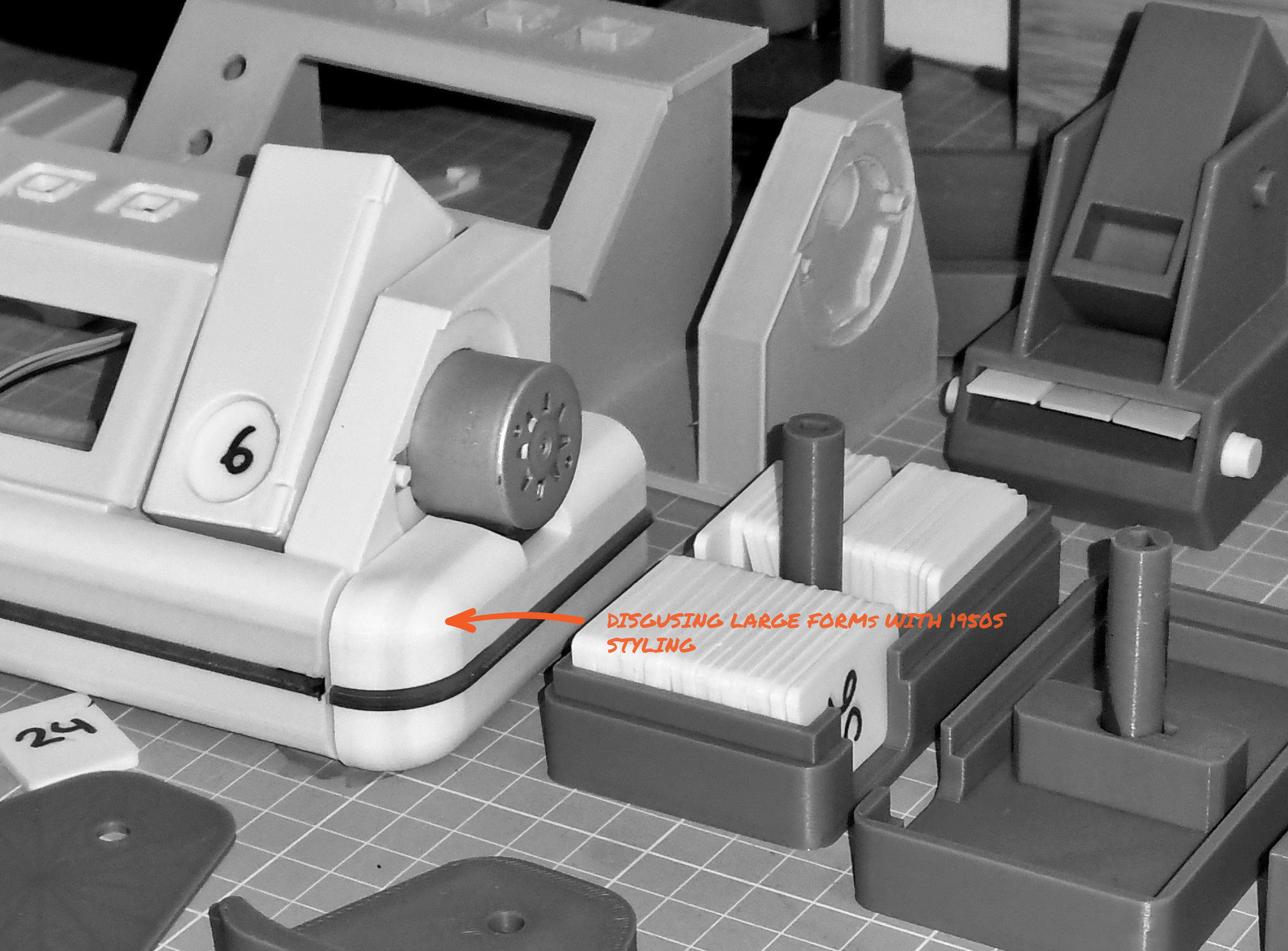
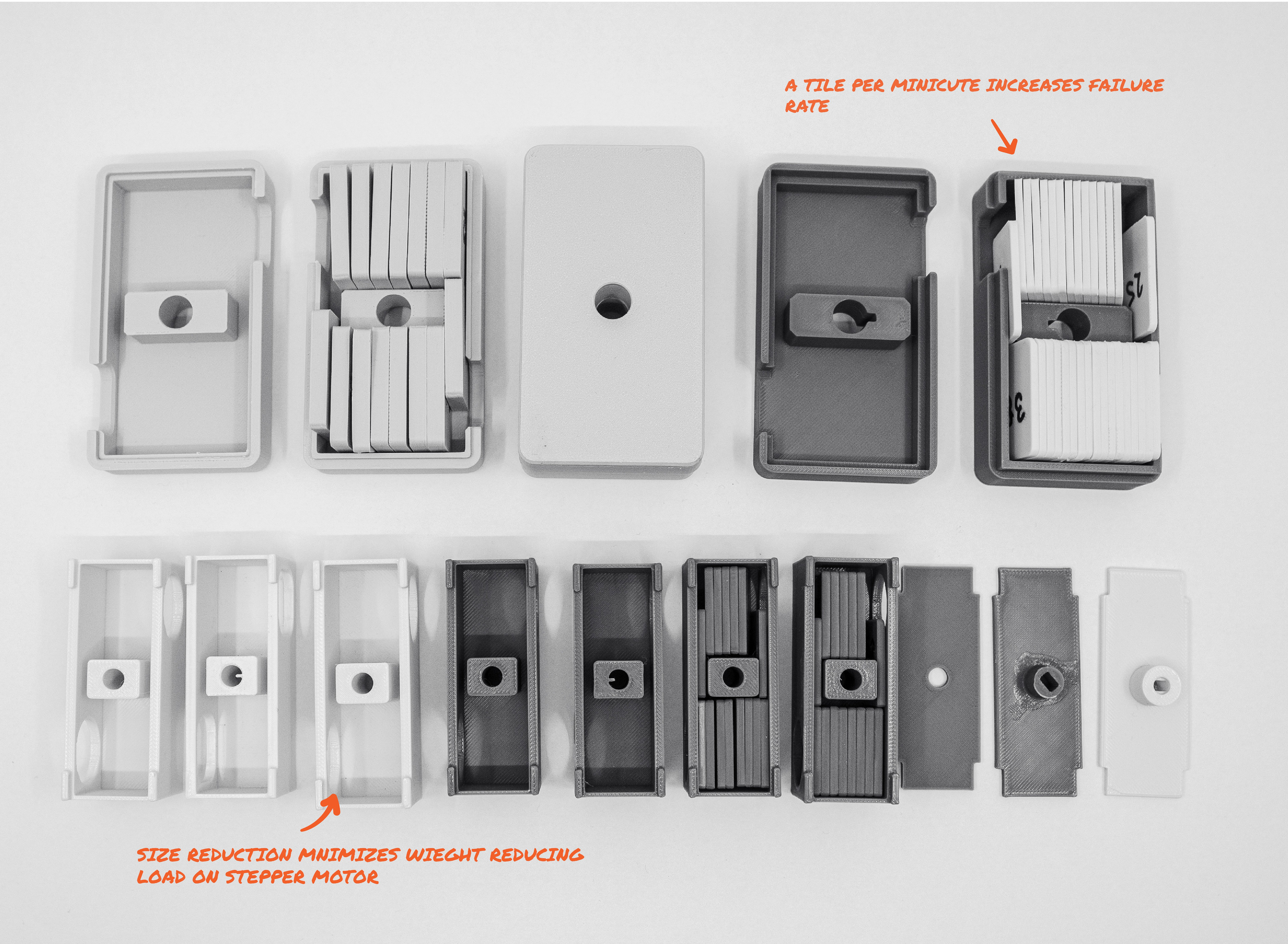
The 1950s styling was chosen for its oversized knobs, bold forms, and color blocking, which not only enhance aesthetics but also cleverly conceal large, cost-effective electronic components.
1950s perpetual flip calendar mechanism
Turning counterclockwise advances the numbers, while turning clockwise moves them back—just like adjusting a timer. Follow the orange tile to see the cycle in action.
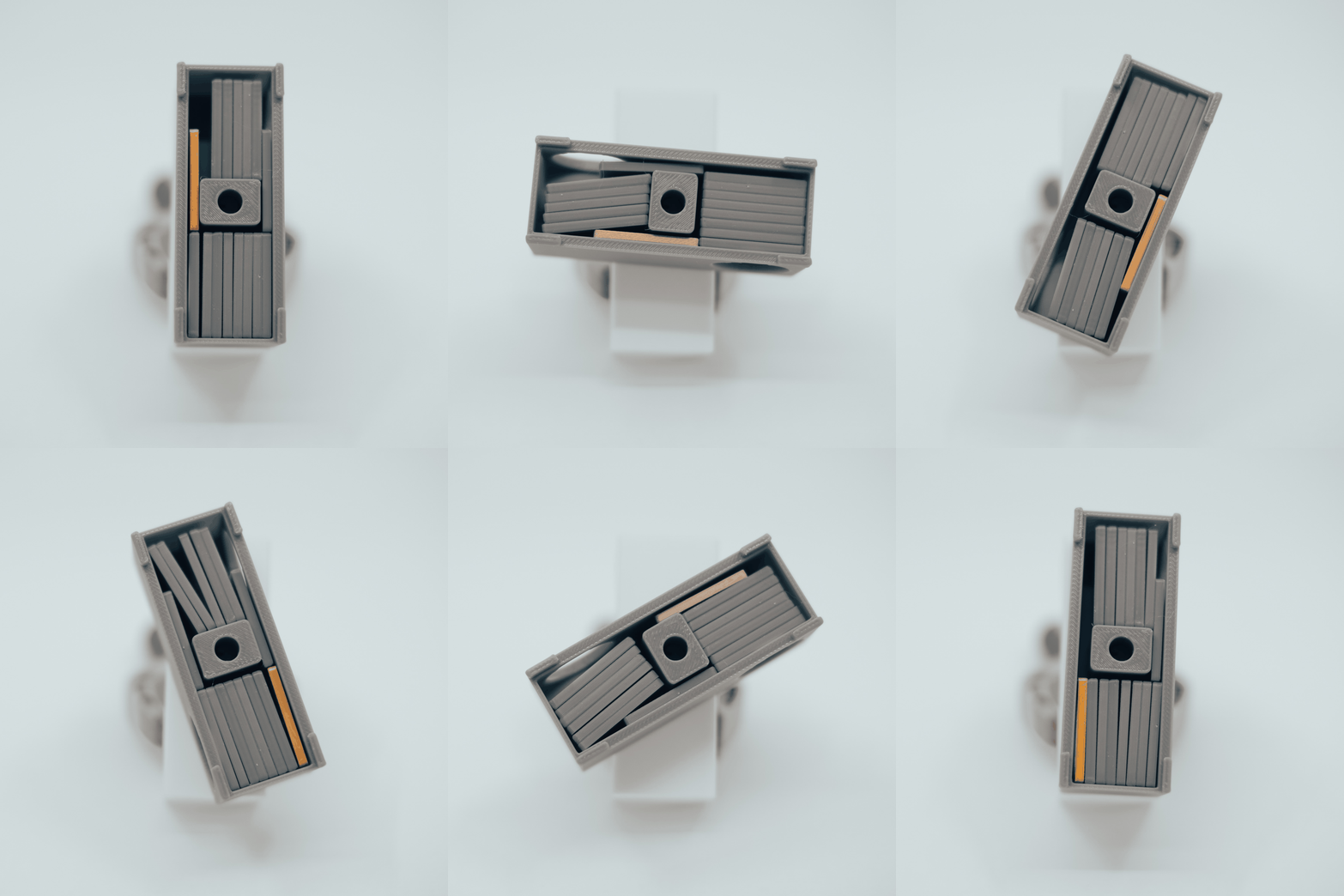
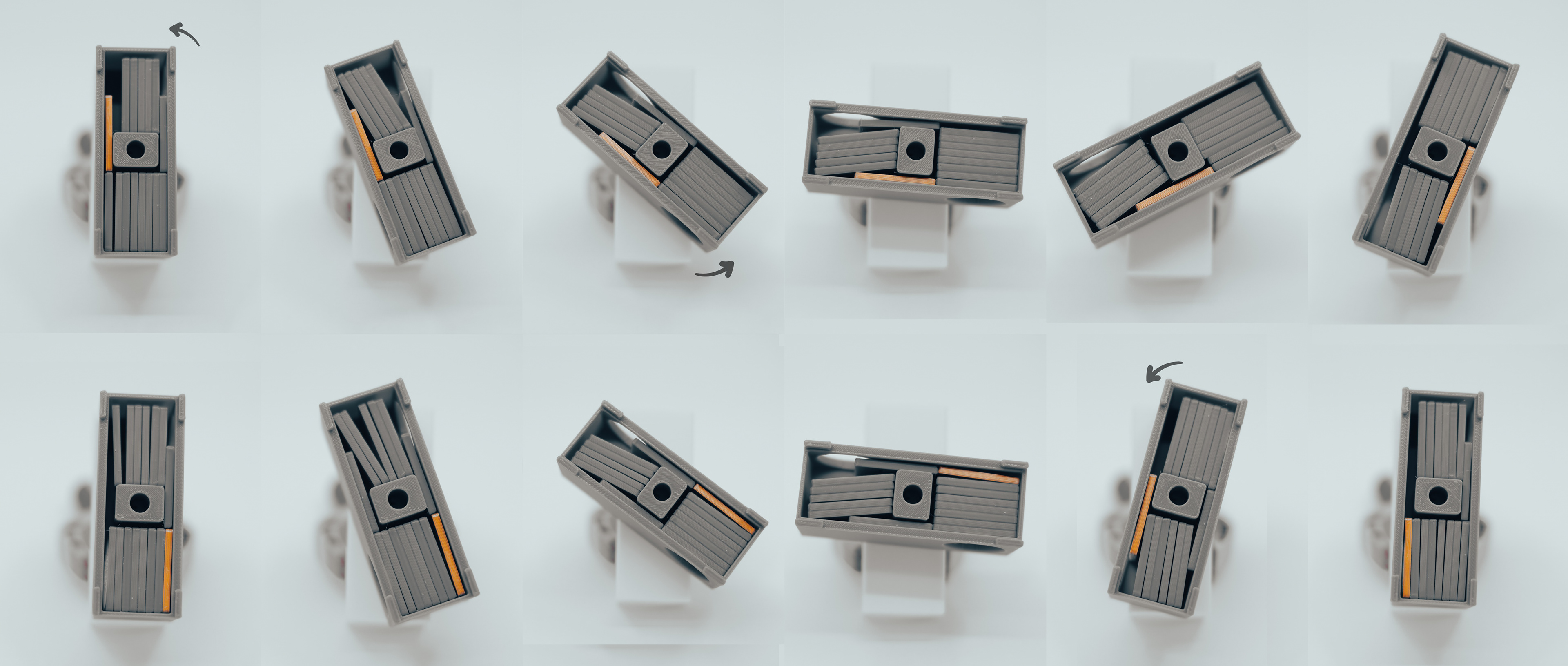
Understanding the movement step by step makes it easier to grasp. Motorizing this mechanism was the key point of differentiation for the TARO timer.
How to use TARO timer
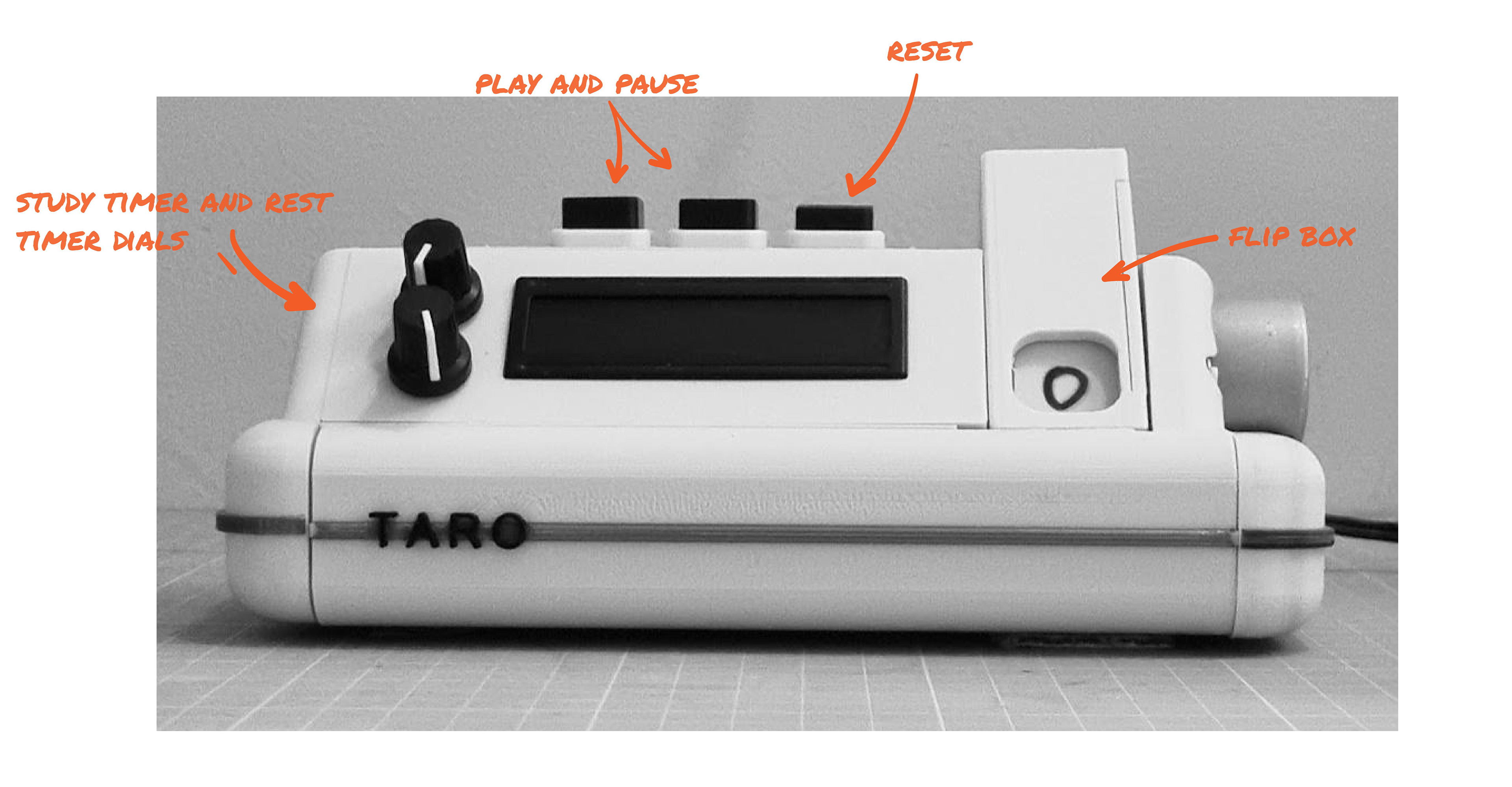
Button Logic

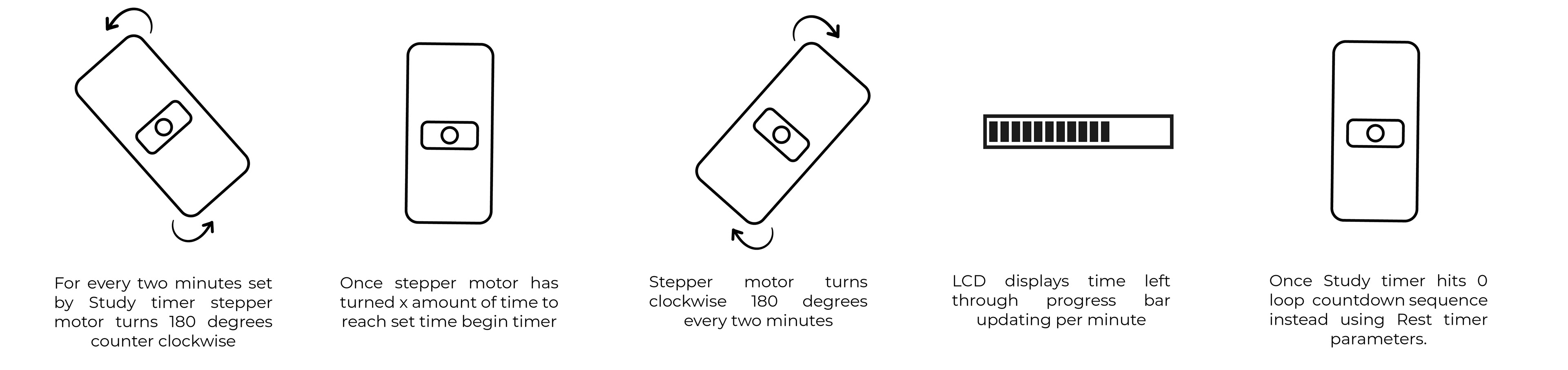
Flip Box logic
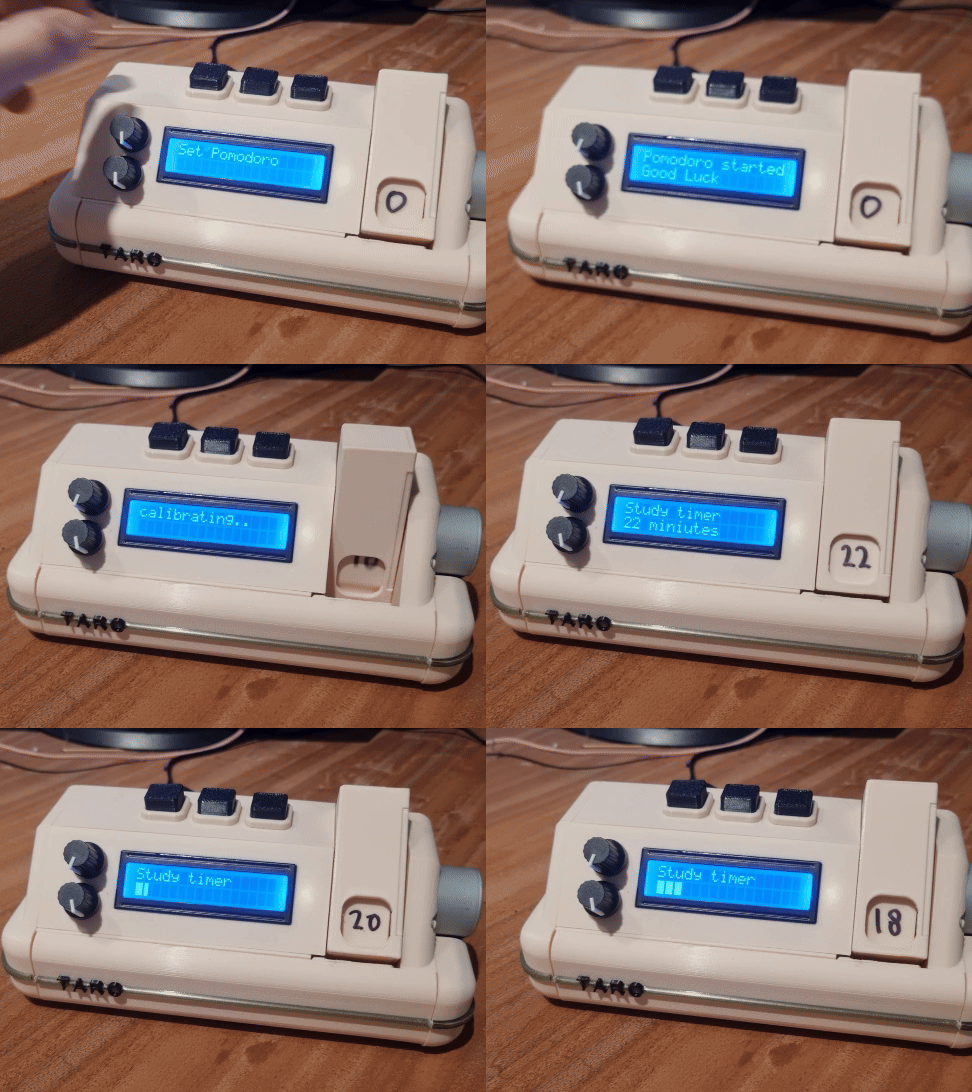
The confirmation process for each step of using the TARO TIMER is to build the habit of intentional actions trying to build ritual when it comes to deep work
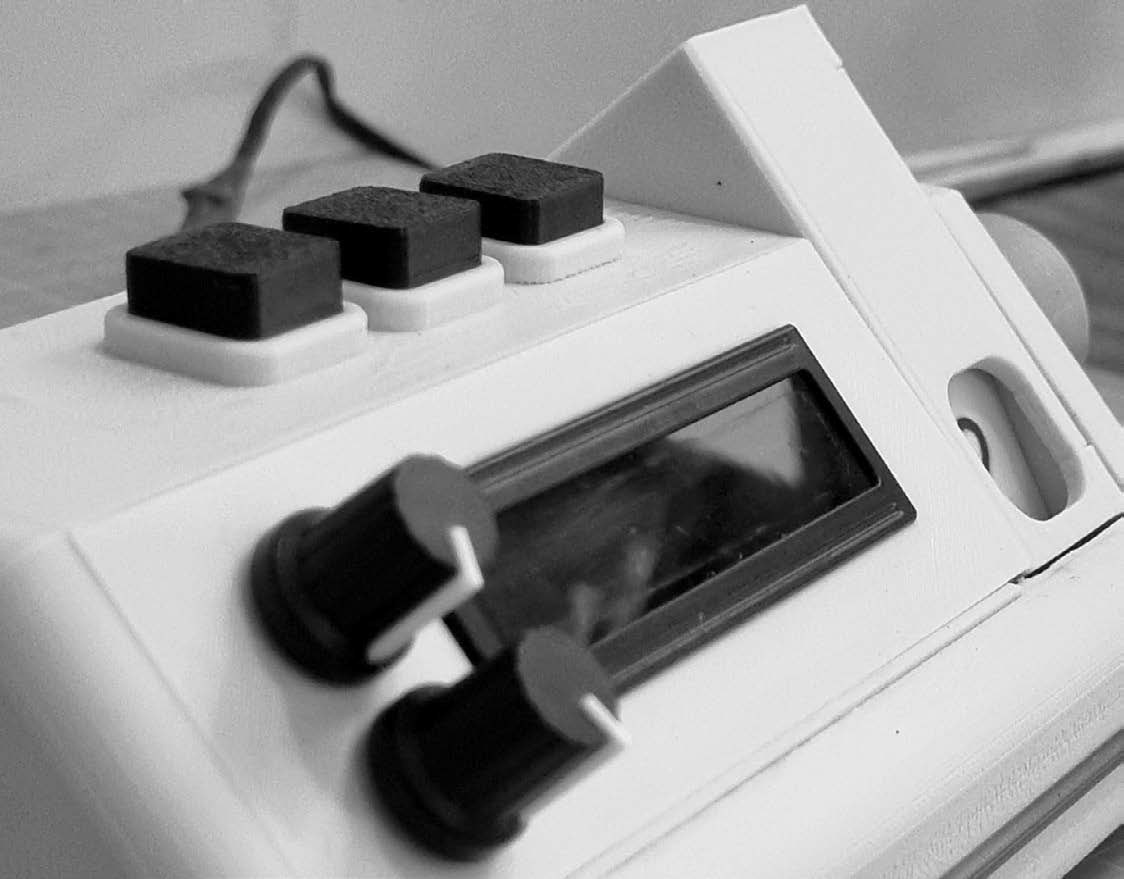
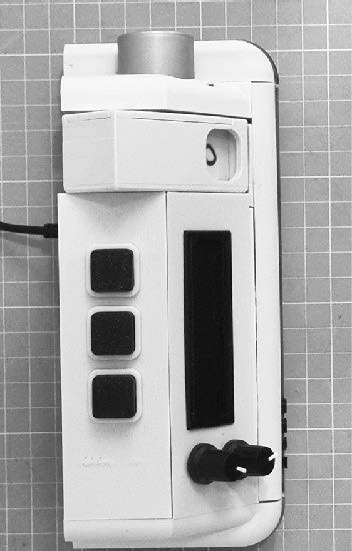
The LCD display features a progress bar that visually indicates the remaining time
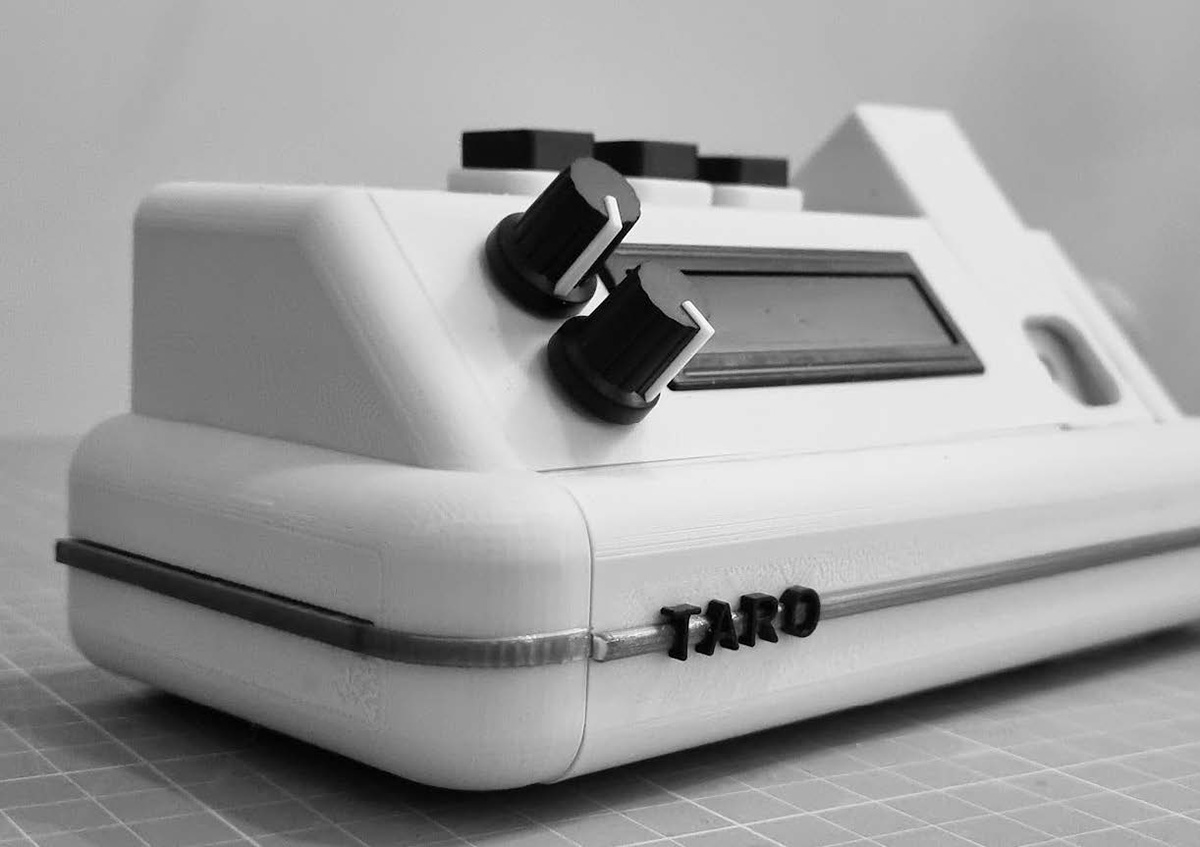
Oversized clicking knobs make for a fun analog input within a digital world